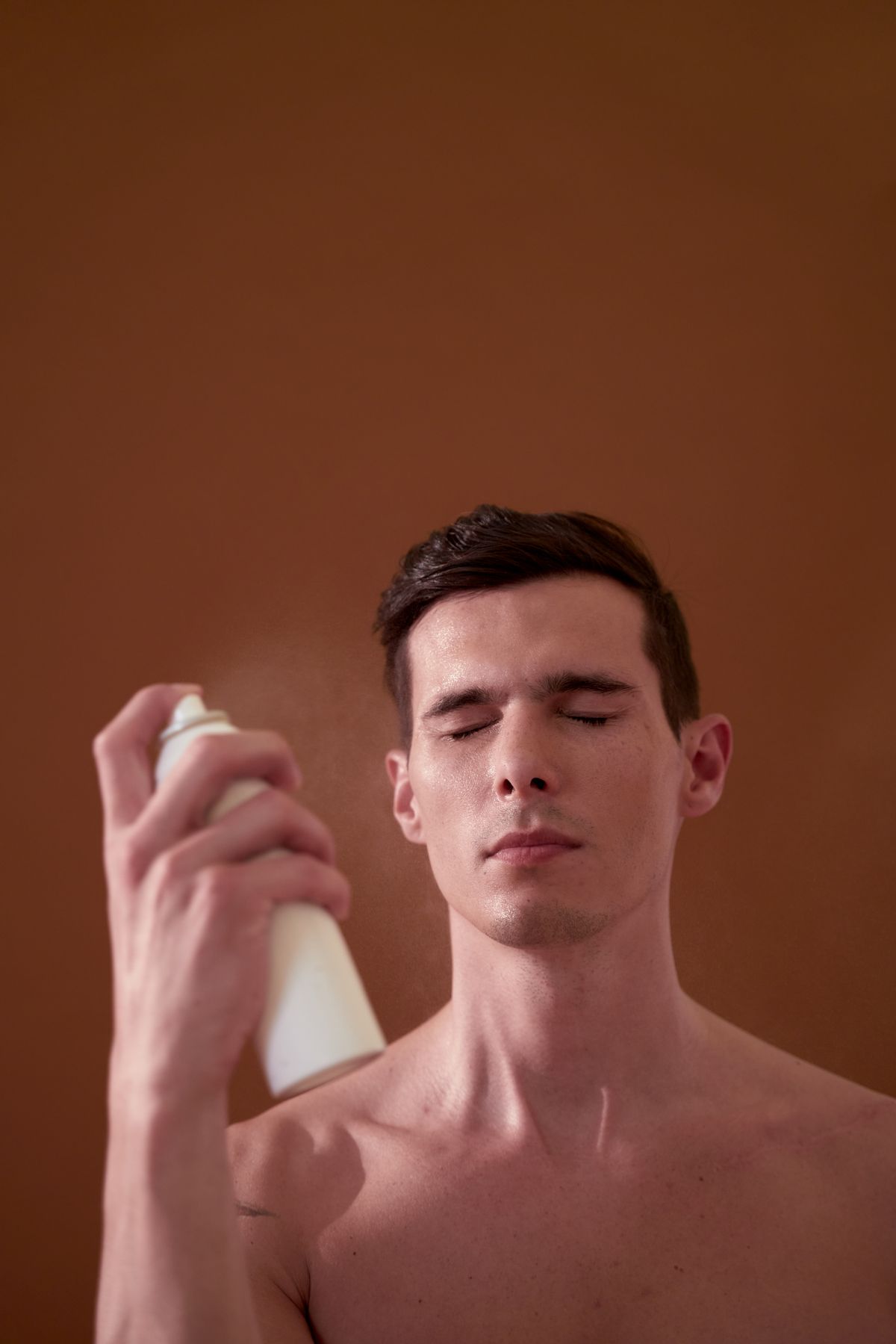
Summer in the Okanagan is built for showing skin. Between beach days at Gyro and Rotary, patio evenings on Bernard, and lake-to-vineyard weekends, a lot of people want a bit of colour without baking under the July sun. That is exactly why sunless spray tanning has become such a popular option in Kelowna: you get the glow without the UV exposure that our high-altitude, low-humidity summers make so intense.
If you have never booked a spray tan before, the process can feel a little mysterious. How does the colour actually happen? Why do people warn you not to shower right away? And how do you avoid the orange, patchy, streaky results everyone dreads? This guide covers the science plus the practical prep and aftercare that separate a flawless bronze from a blotchy mistake.
How does a spray tan actually work?
A spray tan does not use dye, and it does not use UV light. The active ingredient in virtually every professional sunless tanning solution is DHA (dihydroxyacetone), a colourless, plant-derived sugar that has been used in cosmetics for decades and is approved for external skin application.
Here is the key thing to understand: DHA reacts with the amino acids in the very top layer of your skin — the dead cells of the stratum corneum — through a natural process similar to the browning you see when a cut apple is exposed to air. The colour develops over several hours as that reaction completes. Nothing is soaking deep into your body, and no melanin (your skin's own pigment) is being triggered the way it is with UV tanning. That is why a spray tan is considered a cosmetic surface tan, and why it fades as your skin naturally sheds those outer cells over about a week to ten days.
Because the colour is a chemical reaction on dead skin cells rather than a sunburn-style response, a spray tan gives you no protection from the sun. If you are heading out to Okanagan Lake afterward, you still need sunscreen. A bronze finish can actually hide the early pink of a burn, so sun safety matters just as much as it would with pale skin.
Is a spray tan safer than a tanning bed or the sun?
From an SPF standpoint, the appeal of sunless tanning is straightforward: there is no UV exposure at all. UV — whether from the sun or a tanning bed — is what drives skin ageing and skin-cancer risk, and the Okanagan gets a lot of it. Kelowna sits at elevation in one of the sunniest, driest corners of Canada, and summer UV index readings here routinely climb into the "very high" range.
Sunless spray tanning sidesteps that entirely. The trade-off is that the colour is temporary and cosmetic, so you are choosing appearance over a "real" tan. Many studios, including local ones, also offer traditional UV beds and red-light services for clients who want them, but the spray option is the one dermatology guidance generally points to when the goal is colour without UV damage. If you have sensitive skin or a history of reactions, mention it when you book — a good technician can do a patch test and recommend a gentler solution or a lighter application.
How do I prep my skin for the best result?
Ninety percent of a great spray tan is what you do *before* you walk in. DHA develops most evenly on clean, smooth, bare skin, so your prep is really about removing anything that blocks it or grabs colour unevenly.
- Exfoliate 24 hours ahead. Slough off dead skin the day before your appointment — not the morning of — using a plain, oil-free scrub. This smooths rough spots like elbows, knees, ankles and knuckles where colour otherwise pools and looks dark.
- Shave or wax the day before. Hair removal can open pores; doing it a day early lets your skin settle so you avoid little dark speckles.
- Show up clean and product-free. On the day of, skip moisturizer, perfume, deodorant, oils and makeup. Anything on the skin creates a barrier that leaves you patchy. Most technicians would rather you arrive with bare skin than "prepped" with the wrong lotion.
- Wear loose, dark clothing. Tight waistbands, bra straps and snug shoes can rub off the solution before it sets. Loose cotton and flip-flops are ideal, and dark colours hide any transfer.
A quick heads-up specific to our climate: the Okanagan's dry summer air pulls moisture out of skin fast. Dry patches take colour unevenly, so start moisturizing daily a few days *before* your appointment — just stop the morning of so your skin is clean for the actual spray.
How long should I wait before showering?
This is the question that trips up first-timers. The colour you see immediately after a spray tan is mostly the cosmetic bronzer in the solution — a guide colour so the technician can spray evenly. The *real* tan from the DHA is still developing underneath and needs undisturbed time to finish.
As a general rule, wait at least 6 to 8 hours before your first rinse for a standard solution, and many people get the best depth by waiting the full recommended window their technician gives them. Some newer "rapid" or express solutions are designed to be rinsed sooner — sometimes in as little as 3 to 5 hours — but only rinse early if you were specifically given a rapid formula. When in doubt, ask exactly how long to wait for the product you received, because the timing is formula-specific.
When you do take that first shower, keep it simple: lukewarm water, no soap or scrubbing, just rinse off the surface bronzer until the water runs clear. Pat dry gently with a towel rather than rubbing. After that first rinse, your true colour is set.
How do I make a spray tan last longer?
A sunless tan fades as your skin naturally exfoliates, so the whole game is keeping your skin hydrated and slowing that shedding. A well-maintained spray tan typically looks good for 7 to 10 days.
- Moisturize twice a day with a fragrance-free, water-based lotion. Hydrated skin holds colour; dry skin flakes it off. This matters extra in Kelowna's arid summer.
- Take shorter, cooler showers and skip long hot baths, chlorinated pools and hot tubs where you can. Chlorine and prolonged soaking both accelerate fading — worth remembering during Okanagan pool season.
- Pat dry, never rub. Rubbing with a towel lifts colour from high-friction areas.
- Avoid exfoliating until you are ready for your next tan. No scrubs, no exfoliating gloves, no retinol-heavy body products in the meantime.
- Blot after swimming or sweating. Air-dry or gently blot rather than towelling hard after a lake swim or a hot hike.
Where can I get a spray tan in Kelowna?
Kelowna has a handful of studios offering professional sunless tanning. One local option on the Pandosy corridor in the city's south end is Fabutan Hush Lash Studios Kelowna, which offers sunless spray tanning alongside UV tanning options and lash-and-brow services. When you are comparing places, a few honest questions go a long way: ask which spray solution they use and its rinse-time window, whether they offer a patch test if you have sensitive skin, and whether they can adjust the shade so you land at a natural depth rather than an overdone one.
However you book it, the fundamentals are the same everywhere: prep smooth, clean, bare skin the day before; protect that developing colour for the full wait time; and keep your skin hydrated afterward. Do those three things and you will get a streak-free, sun-safe glow that carries you through an Okanagan summer — no UV required.